Women in AI Leadership Inside the Googleplex Debate
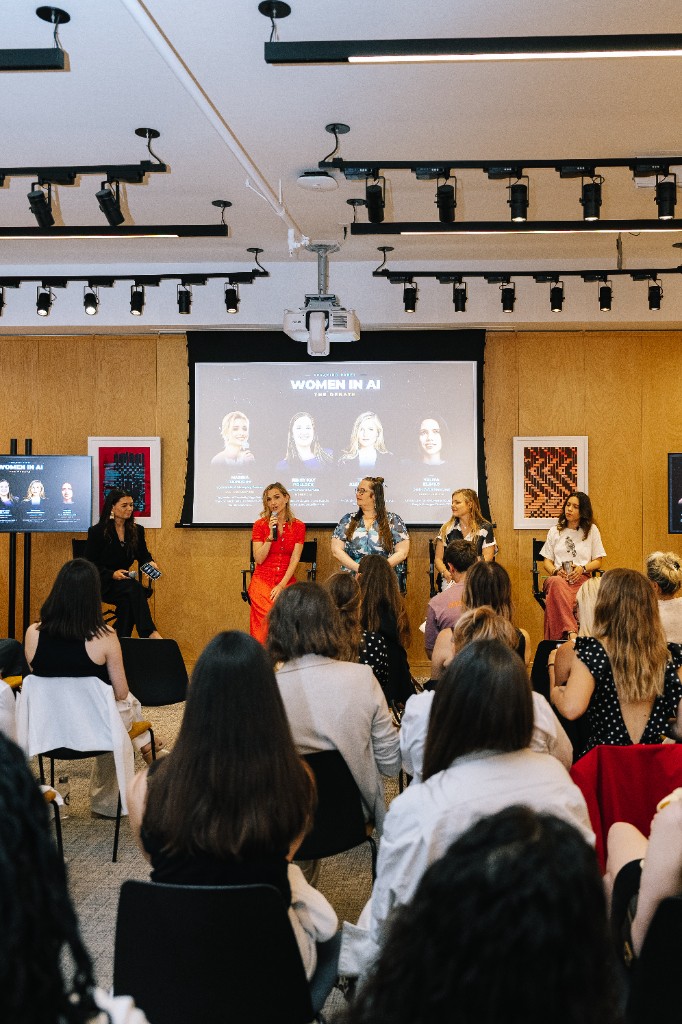
On July 24, 2026, ISOUL hosted Women in AI: The Debate at Huddle, Googleplex, 1600 Amphitheatre Parkway, Mountain View. More than 80 women were in the room. Every ticket had been approved.
Jane Milovanova, Founder of ISOUL, hosted the afternoon and opened the program. What followed was a forum, not a conference. Four panelists. One stage. An audience invited into the argument. No keynotes. No product demos.
The day offered a working picture of women’s leadership in AI. Leadership, in this room, looked like women who build, fund, and argue in public, inside a filter. This article recaps what happened at the Googleplex and why the format is the point.
A forum at Huddle, not a speaker marathon
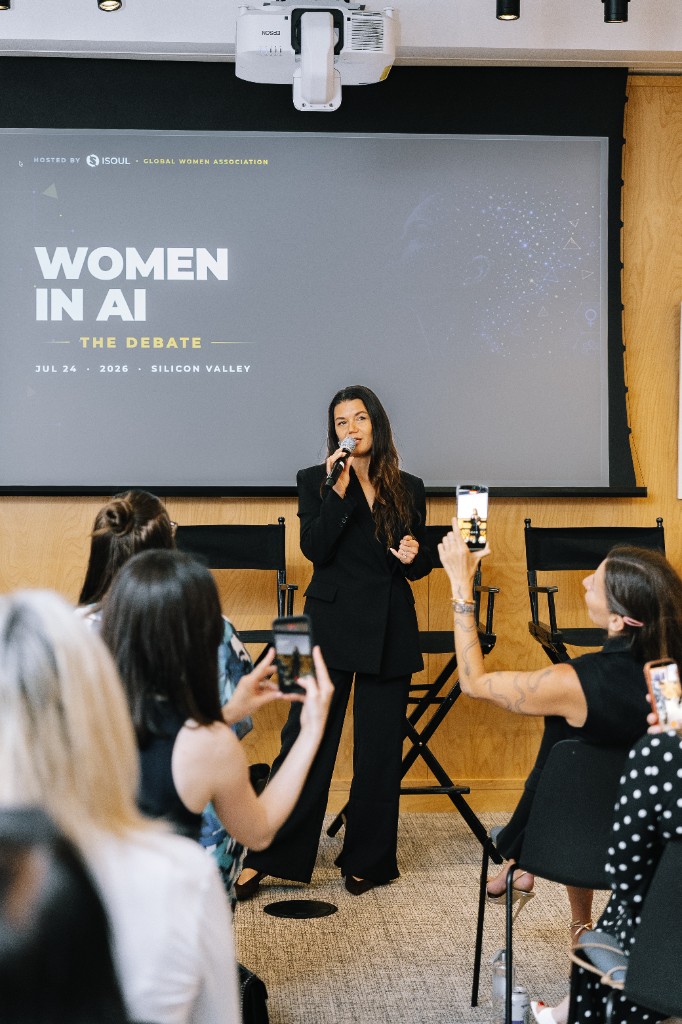
ISOUL built the afternoon as a debate. Jane Milovanova opened. The panel followed. Audience Q&A came next. Community connections filled the same building afterward, with an optional continuation at Google Café.
The run of show stayed short on purpose:
1. Opening by Jane Milovanova, Founder of ISOUL
2. Panel with four guests
3. Questions from the floor
4. Community connections on campus
5. Optional continue at Google Café
Huddle sits on the Googleplex campus in Silicon Valley. The venue is familiar to anyone who works in AI. The format was not. A speaker marathon asks a room to consume. A forum asks a room to take a position. ISOUL chose the second.
This was the second year the association has taken the conversation to the Googleplex. The 2025 edition also sat on that campus, with 57 attendees. The 2026 room was larger. The approval rule stayed.
Four seats: venture, community, neurotechnology, Big Tech
The stage was cast by function. Venture. Community. Neurotechnology. Big Tech.
- Marina Davidova, Co-Founder and Managing Partner of DVC. Early backer of Perplexity, Higgsfield, and Thinking Machines. TEDx speaker.
- Jenny Kay Pollock, Co-Founder and Co-CEO of WOMEN x AI. More than 130 AI leaders on a stage in a year. Angel investor. Board of How Women Lead.
- Tetiana Aleksandrova, Co-founder and CEO of Subsense. Non-surgical brain-computer interfaces. $27 million raised. BioSpace 40 Under 40. Four-time founder, a decade in neurotechnology.
- Yuliya Klimko, Senior Software Engineer and Team Lead at Google on Pixel AI. On-device AI for Pixel. Patent holder. Built Google Messages. Fintech CTO background.
Operators alone leave capital abstract. Investors alone leave the product theoretical. A room without community becomes a broadcast. A room without Big Tech skips the systems already sitting in a pocket.
ISOUL is not publishing a transcript of the panel. The confirmed record is the casting, the format, and the fact of a shared stage. After the program, Jane Milovanova said Jenny Kay Pollock brought honesty and depth to the stage at the Googleplex, and that the room felt it.
Women in AI leadership, on July 24, looked like four kinds of power sharing one argument.
Eighty-plus women, every ticket approved
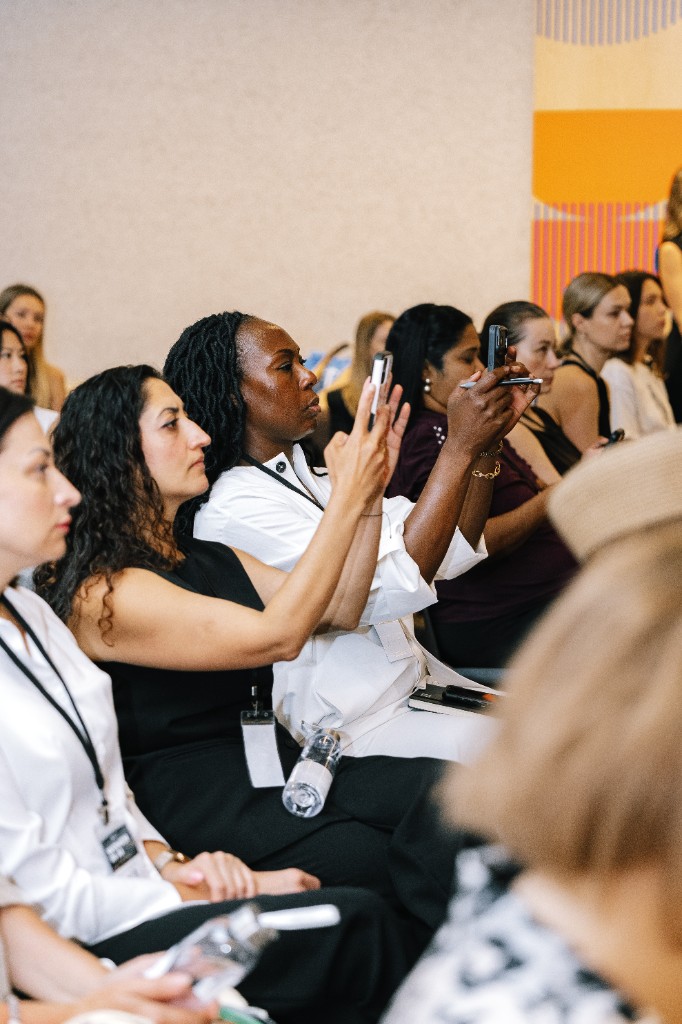
Approval is part of the design. Eighty-plus women entered Huddle because each ticket had been reviewed. A credit card was not enough.
ISOUL is a global women’s leadership association, not a meetup that rented a campus room. Founded in Silicon Valley, the association now unites 8,000+ women across 31 countries, with 250+ accredited residents, more than 200 curated events a year, and 512+ association-led events.
Jane Milovanova built ISOUL as that association and hosted Women in AI: The Debate as one of its public rooms. The mission on record is to elevate the mindfulness of humanity through the hearts of women. A filtered debate is one way the mission shows up in Silicon Valley: fewer seats, a higher standard for who sits in them.
Readers who want the quieter test of readiness can start with five signs a woman is ready to join a leadership association. The Googleplex afternoon was the live version of the same idea. Candid conversation needs a room that was not sold to anyone who asked.
A quality filter is not a marketing trick. It is why a debate can stay a debate.
What women’s leadership in AI looked like that Friday
Women’s leadership in AI is often printed on a lanyard and left there. The July 24 program refused that shortcut.
It looked like Marina Davidova on the venture side, with an early record on Perplexity, Higgsfield, and Thinking Machines. It looked like Jenny Kay Pollock, who has put 130+ AI leaders on a stage in a year and then sat on this one. It looked like Tetiana Aleksandrova raising $27 million for non-surgical brain-computer interfaces. It looked like Yuliya Klimko shipping on-device intelligence for Pixel, with patents, after building Google Messages.
It also looked like the women who did not take a microphone as panelists. More than 80 founders, experts, and operators filled the seats. Q&A was scheduled as part of the argument, not as leftover politeness at the end of a keynote.
Tools are a separate story. How women entrepreneurs are using AI agents belongs to that file. This recap stays with the human layer those tools still depend on: who shares a stage, who is allowed into the room, and who remains in the network after the last question.
Collecting conferences is easy in Silicon Valley. A peer standard is harder. A peer standard is a woman in the next chair who was also approved, who also builds, and who will still be reachable in six months.
After Google Café, the association is the room that remains
A debate lasts a few hours. Leadership is what happens with the names exchanged in Huddle and, for those who stayed, at Google Café.
That is why ISOUL keeps pointing from a single afternoon toward a global network rather than another conference badge. International connection is a structure: recurring rooms, accredited residents, and a map that already covers 31 countries. The women who leave a curated event and stay in the association still have someone to call when the next decision gets expensive, a hire, a raise, a market not yet entered.
Residence in Mountain View is not a requirement for women’s leadership in AI. A practice of entering rooms with a real filter is. The Googleplex debate was one such room. Membership is how the next one stays available on an ordinary Tuesday.
ISOUL was founded in Silicon Valley because this is where the AI story is written in public. Women in AI: The Debate put women in that draft as builders, funders, and operators, not as a theme on a banner. The July 24 forum is now on the record. The association is what continues after the building empties.
The next room for women in AI leadership
ISOUL is a global women’s leadership association uniting entrepreneurs, experts, and leaders across 31 countries. 8,000+ participants. 512+ events. Founded in Silicon Valley.